

17.2: Oxidation of Fatty Acids
- Page ID
- 15026


\( \newcommand{\vecs}[1]{\overset { \scriptstyle \rightharpoonup} {\mathbf{#1}} } \)
\( \newcommand{\vecd}[1]{\overset{-\!-\!\rightharpoonup}{\vphantom{a}\smash {#1}}} \)
\( \newcommand{\dsum}{\displaystyle\sum\limits} \)
\( \newcommand{\dint}{\displaystyle\int\limits} \)
\( \newcommand{\dlim}{\displaystyle\lim\limits} \)
\( \newcommand{\id}{\mathrm{id}}\) \( \newcommand{\Span}{\mathrm{span}}\)
( \newcommand{\kernel}{\mathrm{null}\,}\) \( \newcommand{\range}{\mathrm{range}\,}\)
\( \newcommand{\RealPart}{\mathrm{Re}}\) \( \newcommand{\ImaginaryPart}{\mathrm{Im}}\)
\( \newcommand{\Argument}{\mathrm{Arg}}\) \( \newcommand{\norm}[1]{\| #1 \|}\)
\( \newcommand{\inner}[2]{\langle #1, #2 \rangle}\)
\( \newcommand{\Span}{\mathrm{span}}\)
\( \newcommand{\id}{\mathrm{id}}\)
\( \newcommand{\Span}{\mathrm{span}}\)
\( \newcommand{\kernel}{\mathrm{null}\,}\)
\( \newcommand{\range}{\mathrm{range}\,}\)
\( \newcommand{\RealPart}{\mathrm{Re}}\)
\( \newcommand{\ImaginaryPart}{\mathrm{Im}}\)
\( \newcommand{\Argument}{\mathrm{Arg}}\)
\( \newcommand{\norm}[1]{\| #1 \|}\)
\( \newcommand{\inner}[2]{\langle #1, #2 \rangle}\)
\( \newcommand{\Span}{\mathrm{span}}\) \( \newcommand{\AA}{\unicode[.8,0]{x212B}}\)
\( \newcommand{\vectorA}[1]{\vec{#1}} % arrow\)
\( \newcommand{\vectorAt}[1]{\vec{\text{#1}}} % arrow\)
\( \newcommand{\vectorB}[1]{\overset { \scriptstyle \rightharpoonup} {\mathbf{#1}} } \)
\( \newcommand{\vectorC}[1]{\textbf{#1}} \)
\( \newcommand{\vectorD}[1]{\overrightarrow{#1}} \)
\( \newcommand{\vectorDt}[1]{\overrightarrow{\text{#1}}} \)
\( \newcommand{\vectE}[1]{\overset{-\!-\!\rightharpoonup}{\vphantom{a}\smash{\mathbf {#1}}}} \)
\( \newcommand{\vecs}[1]{\overset { \scriptstyle \rightharpoonup} {\mathbf{#1}} } \)
\(\newcommand{\longvect}{\overrightarrow}\)
\( \newcommand{\vecd}[1]{\overset{-\!-\!\rightharpoonup}{\vphantom{a}\smash {#1}}} \)
\(\newcommand{\avec}{\mathbf a}\) \(\newcommand{\bvec}{\mathbf b}\) \(\newcommand{\cvec}{\mathbf c}\) \(\newcommand{\dvec}{\mathbf d}\) \(\newcommand{\dtil}{\widetilde{\mathbf d}}\) \(\newcommand{\evec}{\mathbf e}\) \(\newcommand{\fvec}{\mathbf f}\) \(\newcommand{\nvec}{\mathbf n}\) \(\newcommand{\pvec}{\mathbf p}\) \(\newcommand{\qvec}{\mathbf q}\) \(\newcommand{\svec}{\mathbf s}\) \(\newcommand{\tvec}{\mathbf t}\) \(\newcommand{\uvec}{\mathbf u}\) \(\newcommand{\vvec}{\mathbf v}\) \(\newcommand{\wvec}{\mathbf w}\) \(\newcommand{\xvec}{\mathbf x}\) \(\newcommand{\yvec}{\mathbf y}\) \(\newcommand{\zvec}{\mathbf z}\) \(\newcommand{\rvec}{\mathbf r}\) \(\newcommand{\mvec}{\mathbf m}\) \(\newcommand{\zerovec}{\mathbf 0}\) \(\newcommand{\onevec}{\mathbf 1}\) \(\newcommand{\real}{\mathbb R}\) \(\newcommand{\twovec}[2]{\left[\begin{array}{r}#1 \\ #2 \end{array}\right]}\) \(\newcommand{\ctwovec}[2]{\left[\begin{array}{c}#1 \\ #2 \end{array}\right]}\) \(\newcommand{\threevec}[3]{\left[\begin{array}{r}#1 \\ #2 \\ #3 \end{array}\right]}\) \(\newcommand{\cthreevec}[3]{\left[\begin{array}{c}#1 \\ #2 \\ #3 \end{array}\right]}\) \(\newcommand{\fourvec}[4]{\left[\begin{array}{r}#1 \\ #2 \\ #3 \\ #4 \end{array}\right]}\) \(\newcommand{\cfourvec}[4]{\left[\begin{array}{c}#1 \\ #2 \\ #3 \\ #4 \end{array}\right]}\) \(\newcommand{\fivevec}[5]{\left[\begin{array}{r}#1 \\ #2 \\ #3 \\ #4 \\ #5 \\ \end{array}\right]}\) \(\newcommand{\cfivevec}[5]{\left[\begin{array}{c}#1 \\ #2 \\ #3 \\ #4 \\ #5 \\ \end{array}\right]}\) \(\newcommand{\mattwo}[4]{\left[\begin{array}{rr}#1 \amp #2 \\ #3 \amp #4 \\ \end{array}\right]}\) \(\newcommand{\laspan}[1]{\text{Span}\{#1\}}\) \(\newcommand{\bcal}{\cal B}\) \(\newcommand{\ccal}{\cal C}\) \(\newcommand{\scal}{\cal S}\) \(\newcommand{\wcal}{\cal W}\) \(\newcommand{\ecal}{\cal E}\) \(\newcommand{\coords}[2]{\left\{#1\right\}_{#2}}\) \(\newcommand{\gray}[1]{\color{gray}{#1}}\) \(\newcommand{\lgray}[1]{\color{lightgray}{#1}}\) \(\newcommand{\rank}{\operatorname{rank}}\) \(\newcommand{\row}{\text{Row}}\) \(\newcommand{\col}{\text{Col}}\) \(\renewcommand{\row}{\text{Row}}\) \(\newcommand{\nul}{\text{Nul}}\) \(\newcommand{\var}{\text{Var}}\) \(\newcommand{\corr}{\text{corr}}\) \(\newcommand{\len}[1]{\left|#1\right|}\) \(\newcommand{\bbar}{\overline{\bvec}}\) \(\newcommand{\bhat}{\widehat{\bvec}}\) \(\newcommand{\bperp}{\bvec^\perp}\) \(\newcommand{\xhat}{\widehat{\xvec}}\) \(\newcommand{\vhat}{\widehat{\vvec}}\) \(\newcommand{\uhat}{\widehat{\uvec}}\) \(\newcommand{\what}{\widehat{\wvec}}\) \(\newcommand{\Sighat}{\widehat{\Sigma}}\) \(\newcommand{\lt}{<}\) \(\newcommand{\gt}{>}\) \(\newcommand{\amp}{&}\) \(\definecolor{fillinmathshade}{gray}{0.9}\)-
Describe Fatty Acid Oxidation Pathways:
- Explain the stepwise β‑oxidation of fatty acids in the mitochondria, including the sequential reactions catalyzed by acyl-CoA dehydrogenase, enoyl-CoA hydratase, β‑hydroxyacyl-CoA dehydrogenase, and thiolase, and how these reactions yield acetyl-CoA, NADH, and FADH₂.
- Outline the differences between mitochondrial and peroxisomal β‑oxidation, emphasizing the roles of acyl-CoA oxidase (which produces H₂O₂) and the metabolism of very long-chain and branched-chain fatty acids.
-
Explain the Mechanisms of Fatty Acid Transport:
- Describe the carnitine cycle, including the roles of CPT-1, carnitine-acylcarnitine translocase (CACT), and CPT-2 in importing fatty acyl-CoAs into the mitochondrial matrix.
- Discuss the regulatory function of malonyl-CoA in inhibiting CPT-1 to coordinate fatty acid synthesis and oxidation.
-
Analyze the Oxidation of Unsaturated and Odd-Chain Fatty Acids:
- Detail how unsaturated fatty acids are processed via enoyl-CoA isomerase and 2,4-dienoyl-CoA reductase to convert cis double bonds into a form suitable for β‑oxidation.
- Explain the metabolic fate of odd-chain fatty acids, including the conversion of propionyl-CoA to succinyl-CoA via carboxylation, epimerization, and mutase reactions, highlighting the role of vitamin B12 (cobalamin) as a cofactor.
-
Explore Alternative Oxidative Pathways:
- Compare and contrast α‑oxidation and ω‑oxidation with β‑oxidation, focusing on their roles in metabolizing branched-chain fatty acids (e.g., pristanic acid) and very long-chain fatty acids, and their cellular localization (peroxisomes vs. endoplasmic reticulum).
-
Understand Peroxisomal Function and Protein Import:
- Summarize the structure and functions of peroxisomes, including their role in oxidizing VLCFAs and branched-chain fatty acids, as well as in detoxifying hydrogen peroxide.
- Describe the protein import mechanism into peroxisomes via peroxisome targeting signals (PTS) and the interaction with PTS receptors.
-
Examine Lipoprotein Structure and Lipid Transport:
- Describe the composition and classification of lipoproteins (chylomicrons, VLDL, IDL, LDL, and HDL), and how their structural features (monolayer phospholipid coat, core lipids, and associated apolipoproteins) facilitate the transport of hydrophobic lipids in blood.
- Explain how apolipoproteins (e.g., apoB100, apoB48, apoA-I, and apoE) mediate receptor interactions and contribute to the assembly, remodeling, and clearance of lipoproteins.
-
Detail the Role and Mechanism of Lipoprotein Lipase (LPL):
- Outline how LPL, with the help of accessory proteins like GPIHBP1 and heparan sulfate, hydrolyzes TAGs from chylomicrons and VLDL to release free fatty acids for uptake by tissues.
- Explain the significance of the catalytic triad in LPL and how its activity is regulated by Ca²⁺ and apolipoprotein C-II.
-
Integrate Hormonal Regulation of Lipid Metabolism:
- Summarize how hormones such as insulin, glucagon, and epinephrine regulate the balance between fatty acid oxidation and storage, influencing processes like lipolysis in adipose tissue and fatty acid uptake in muscle and liver.
- Discuss the physiological contexts (fed vs. fasting, exercise) in which these hormonal signals modulate fatty acid metabolism.
-
Link Fatty Acid Oxidation to Energy Production:
- Connect the production of acetyl-CoA from fatty acid oxidation to its entry into the citric acid cycle and subsequent ATP generation via oxidative phosphorylation.
- Evaluate how the high reduction state of fatty acids makes them an efficient energy source.
-
Identify and Explain Diseases Related to Fatty Acid Metabolism:
- Describe the biochemical basis and clinical manifestations of metabolic disorders such as MCAD deficiency, Zellweger syndrome, X-linked adrenoleukodystrophy (X-ALD), and Refsum disease.
- Discuss how deficiencies in specific enzymes or transport proteins lead to the accumulation of fatty acid intermediates and the resulting pathological consequences.
These learning goals will guide students through an integrated understanding of fatty acid catabolism, lipid transport mechanisms, and the associated regulatory and pathological aspects, emphasizing both molecular mechanisms and physiological significance.
Introduction
Fatty acids, esterified to glycerol in triacylglycerols, are organisms' major source of stored energy. As we burn fossil fuels to produce energy to drive our society, so can we "burn" fatty acids to ultimately produce heat and ATP to drive biosynthetic reactions and to do work. As discussed in an earlier chapter, fatty acids are highly reduced, so their oxidation by dioxygen is highly favored both enthalpically (exothermic reaction) and entropically. Of course, biological oxidation reactions occur stepwise, not directly using O2, but with less potent oxidizing agents, such as NAD+ and FAD. We'll focus first on fatty acid oxidation in animals (humans).
As discussed in the previous section, fatty acids released from triglyceride stores in response to signaling by epinephrine and glucagon during exercise and between meals are utilized for energy when glycogen stores are low, without breaking down protein in muscles to produce energy. Some fatty acids are broken down in the normal process of membrane turnover and removal of xenobiotic lipids.
Most fatty acids are oxidized in the mitochondria, where the oxidation reaction occurs at the beta-carbon of the acyl chain, as shown in Figure \(\PageIndex{1}\).

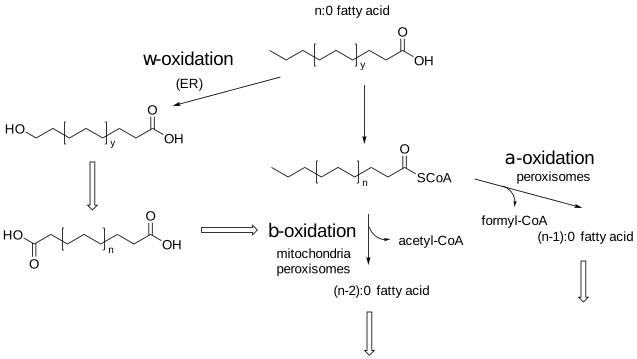
This pathway is called β-oxidation. Fatty acids are oxidized in a step-wise fashion by this pathway. In each repetitive cycle of this pathway, acetyl-CoA and one CO2 are released. In addition, oxidation can occur at α- and β-carbons when oxidized in the peroxisome. The α-oxidation pathway is used for fatty acids branched at the β-carbon (C3), releasing one CO2 until the β-oxidation pathway can be used. The peroxisome degrades fatty acids that can't be oxidized in the mitochondria. These include very long-chain fatty acids (VLCFAs) such as 24:0 and 26:0, and in addition, branched-chain fatty acids (BRCHAs), including some fatty acids from dietary sources such as pristanic acid (an odd-chain 15:0 fatty acid methylated at carbons 2, 6, 10, and 14). The α-oxidation pathway can't be used to completely oxidize fatty acids in the peroxisome. At some point in the oxidative stepwise pathway, the resulting shorter fatty acids are exported to the mitochondria for β-oxidation. Additionally, enzymes in the endoplasmic reticulum facilitate the ω-oxidation pathway, which oxidizes fatty acids at the omega or terminal carbon. The enzyme used is the monooxygenase cytochrome P450, which uses one oxygen from O2 to hydroxylate the ω-carbon.
These organelles, initially referred to as microbodies, are crucial to cellular metabolism and overall health. In people with Zellweger syndrome spectrum, there is a severe disorder in the formation of peroxisomes, which is often lethal. They are important metabolically in lipid metabolism, the synthesis of myelin sheath lipids, and the metabolism of reactive oxygen species like peroxides. The enzymes catalase and urate oxidase are found in such high concentrations that they often form crystal "bodies" in the peroxisome matrix. Additional roles include responses to pathogens and viruses. Effectively, they are a protective organelle.
In contrast to mitochondria, peroxisomes, like most other organelles, have a single bilayer and no DNA, from which transcription of RNA and translation of proteins occur. Hence, all proteins are imported from the cytoplasm after synthesis on free ribosomes. Imported proteins have a peroxisome targeting sequence (PTS) of serine-lysine-leucine (SKL) near their C-terminus, which facilitates the binding of these proteins to a PTS receptor in the peroxisome membrane. These organelles oxidize very long-chain fatty acids (VLFA), make and break down hydrogen peroxide (hence the name), and synthesize plasmalogens. The enzymes involved in the stepwise cycle of reactions in the peroxisomal β-oxidation pathway utilize enzymes different from those used in the mitochondrial β-oxidation pathway.
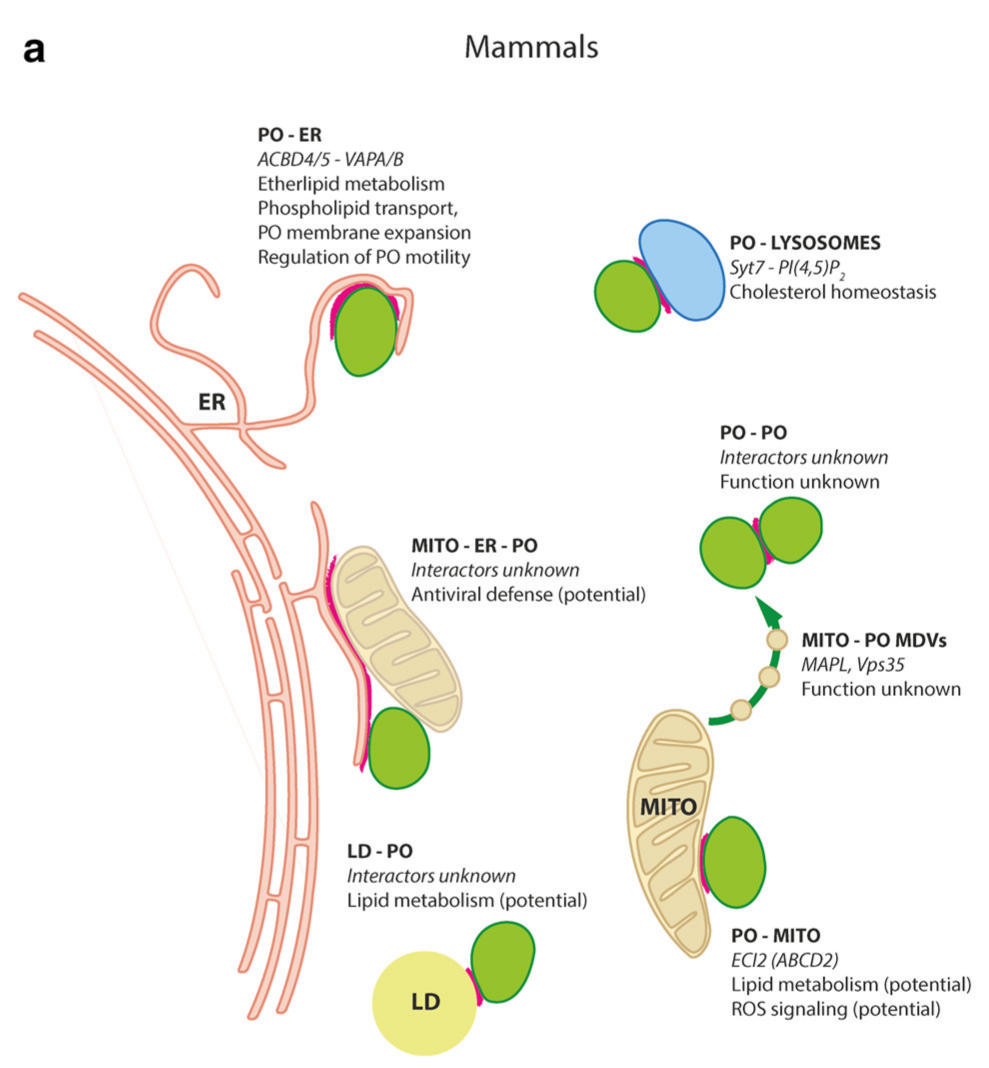
For those more inclined towards chemistry than biology, another organelle with its structures and function may seem like one too many. However, this less-discussed organelle is critically important in its own right. Figure \(\PageIndex{2}\) shows the features of peroxisomes and their proteins.
 |
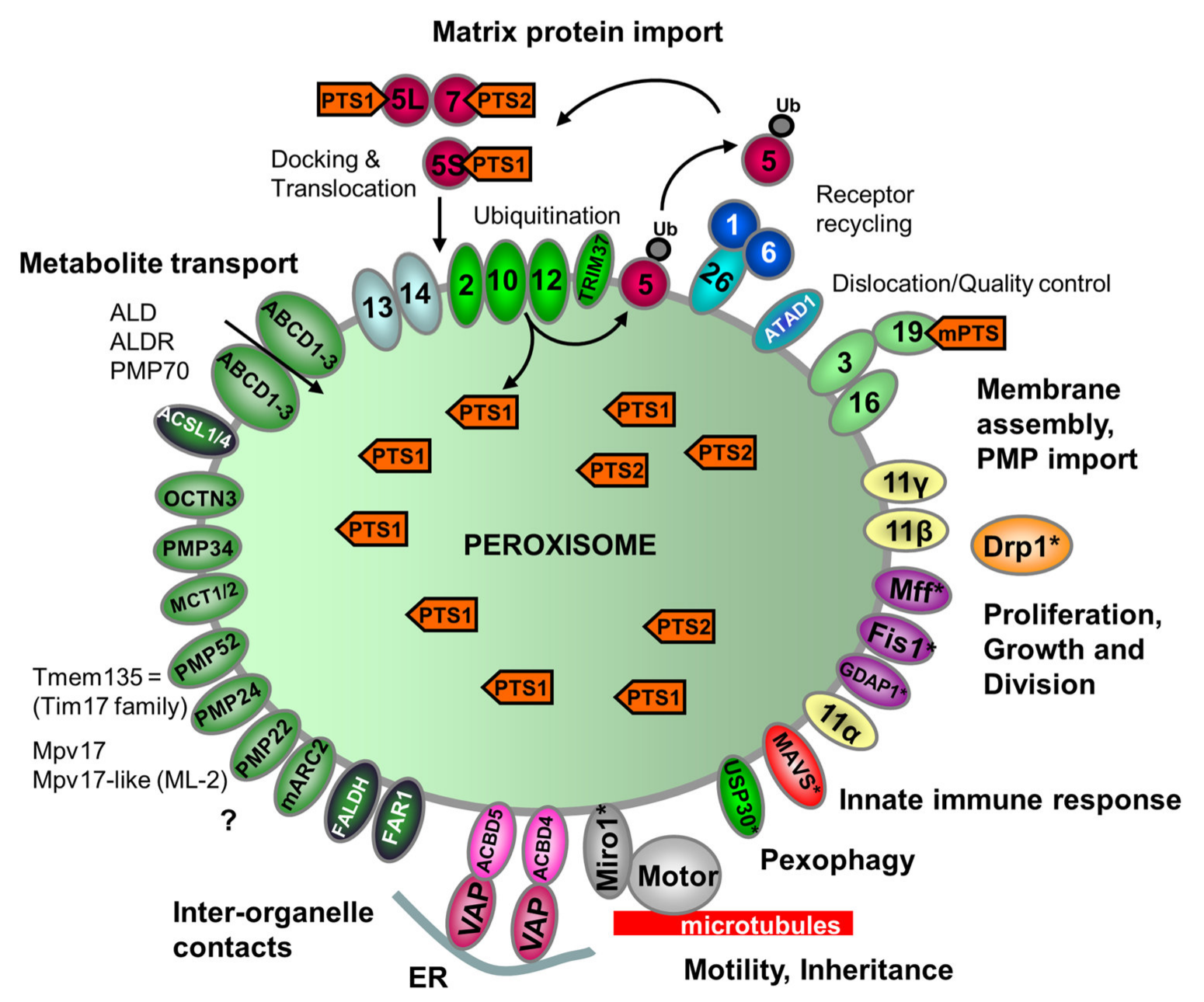 |
One interesting feature is its relationship with different cell organelles, as shown in the left panel of Figure 2. Some proteins involved in organelle functions are also shown (right panel).
The peroxisome (PO, green) has binding interactions (red interfaces) with the endoplasmic reticulum (ER), lysosomes, mitochondria, lipid droplets (a pseudo-organelle), and also itself (left figure). Some of the key membrane proteins (which we have discussed previously) involved in peroxisome function include the ABC transporter proteins ABCD1-3 for fatty acids transport, OCTN3 for organic and cation/carnitine transport, and MCT1/2 for monocarboxylate transport. In addition, peroxisomes have receptors for protein import, mediated by PTSs, and for peroxisome movement along microtubules within the cell.
Mitochondrial β-Oxidation
Mitochondrial β-oxidation in muscle generates acetyl-CoA, which enters the citric acid cycle for subsequent production of ATP through mitochondrial electron transport and oxidative phosphorylation. In the liver, the generated acetyl-CoA is used for ketone body production under fasting states. Figure \(\PageIndex{3}\) shows the β-oxidation pathway for palmitic acid (16:0), a saturated fatty acid, starting with its import from the cytoplasm.
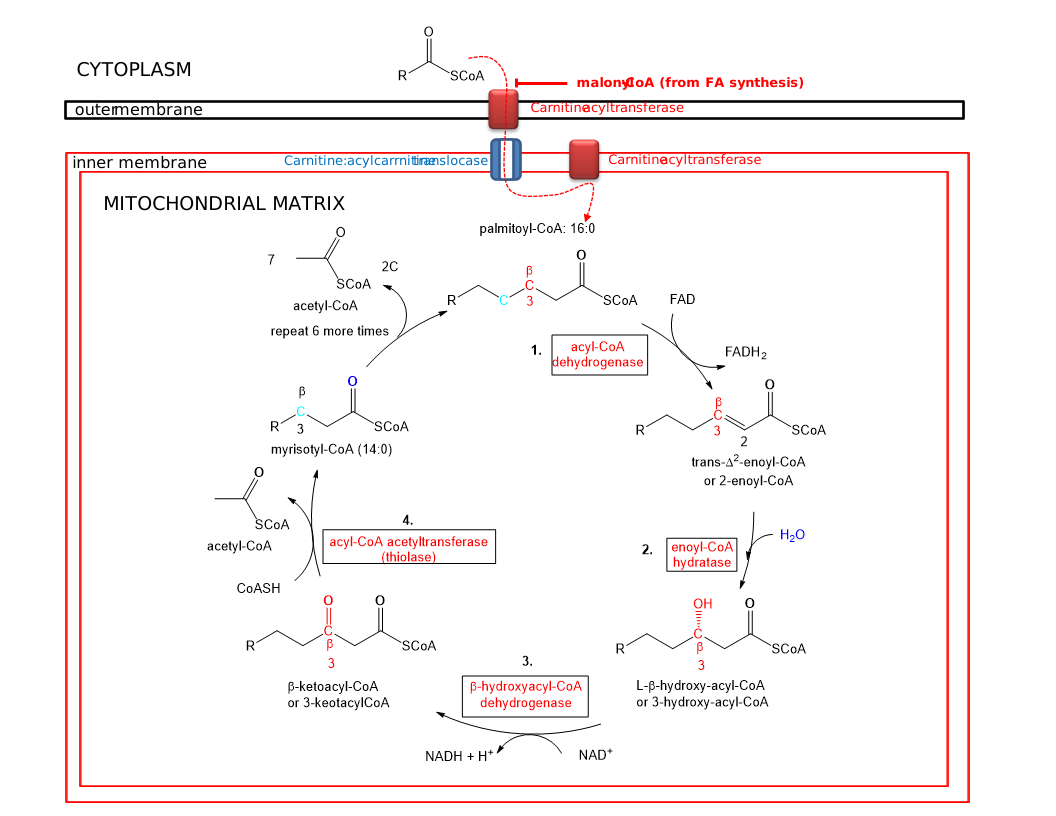
The pathway involved the cyclic removal of 2-carbon units until 16:0 is cleaved seven times, producing eight 2-carbon acetyl-CoAs. The net chemical equation for the beta-oxidation of 16:0 is shown below.
\begin{equation}
\mathrm{C}_{16}-\mathrm{CoA}+7 \mathrm{NAD}^{+}+7 \mathrm{FAD}+7 \mathrm{CoASH}+7 \mathrm{H}_{2} \mathrm{O} \rightarrow 8 \mathrm{Acetyl}-\mathrm{CoA}+7 \mathrm{NADH}+7 \mathrm{FADH}_{2}+7 \mathrm{H}^{+}
\end{equation}
Figure \(\PageIndex{4}\) shows an abbreviated comparison of the β-oxidation pathways in the mitochondria and peroxisomes. Peroxisomal beta-oxidation is used to metabolize very-long-chain fatty acids (VLCFAs), which are composed of 24-26 carbon units, and branched-chain fatty acids (BRCHAs).
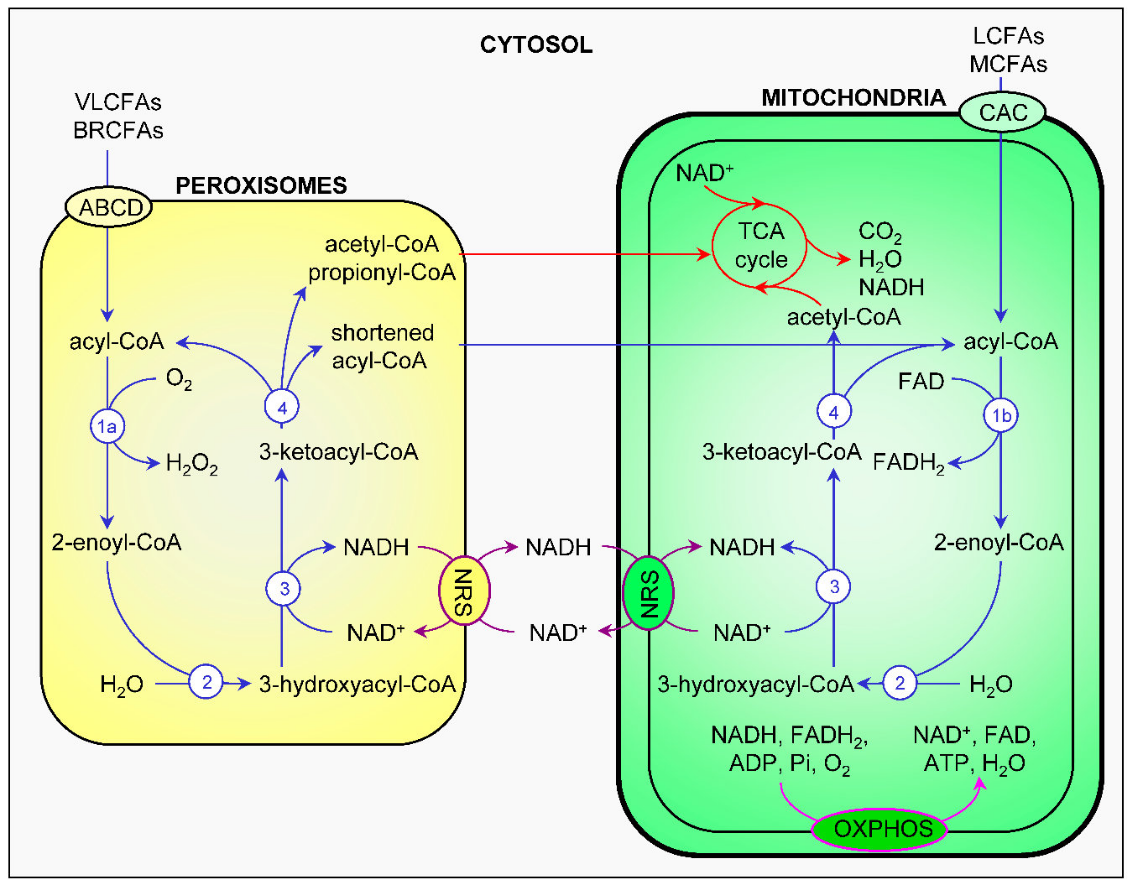
Figure \(\PageIndex{4}\): Comparison and interplay of peroxisomal and mitochondrial fatty acid β-oxidation. Fatty acid β-oxidation, the NAD(H) redox shuttles, the tricarboxylic acid cycle, and the electron transfer chain are depicted in blue, purple, red, and pink, respectively. 1a, acyl-CoA oxidase; 1b, acyl-CoA dehydrogenase; 2, enoyl-CoA hydratase; 3, 3-hydroxyacyl-CoA dehydrogenase; 4, 3-ketoacyl-CoA thiolase. ABCD, ATP-binding cassette transporters of subfamily D; ADP, adenine dinucleotide phosphate; BRCFA, branched-chain fatty acid; CAC, carnitine-acylcarnitine carrier; FAD, flavin adenine dinucleotide; FADH2, reduced FAD; LCFA, long-chain fatty acid; MCFA, medium-chain fatty acid; NAD, nicotinamide adenine dinucleotide; NADH, reduced NAD; NRS, NAD(H) redox shuttles; OXPHOS, oxidative phosphorylation; TCA, tricarboxylic acid; VLCFA, very-long-chain fatty acid. Fransen et al. International Journal of Molecular Sciences. 18. 1126. 10.3390/ijms18061126. DOI: 10.3390/ijms18061126. Commons Attribution (CC BY) license (http://creativecommons.org/licenses/by/4.0/).
It should be noted that a likely NAD+/NADH mitochondria transporter, a multi-pass inner mitochondrial membrane protein, has just been identified. The transporter, MCART1, is also called SLC25A51,
β-Oxidation - Mechanisms
Fatty acids are imported into the matrix from the cytoplasm through their acyl-CoA derivatives. Two different proteins are required for their import. Carnitine palmitoyltransferase-1(CPT-1) transfers the acyl group from CoASH to a carrier protein carnitine. The acylcarnitine is translocated through the inner membrane by the carrier protein carnitine-acylcarnitine translocase (CACT). Once inside the matrix, the acyl group is transferred back to CoASH by carnitine palmitoyltransferase-2 (CPT-2). This carnitine cycle is illustrated in Figure \(\PageIndex{5}\).
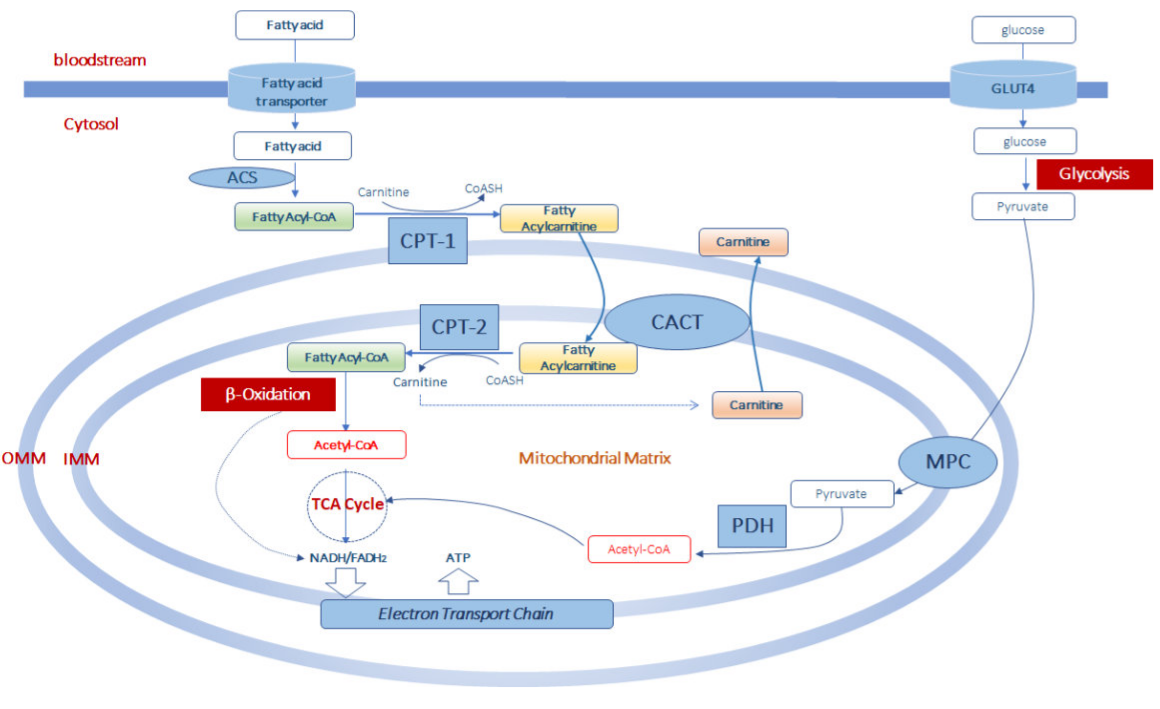
Figure \(\PageIndex{5}\): Carnitine cycle and the connections between major catabolic pathways.
At the outer mitochondrial membrane (OMM), fatty acyl-CoAs become linked to carnitine through carnitine palmitoyltransferase-1 (CPT-1). The complex is translocated across the inner mitochondrial membrane (IMM) via carnitine-acylcarnitine translocase (CACT). In the mitochondrial matrix, CPT-2 converts fatty acylcarnitines back to fatty acyl-CoAs, which enter the β-oxidation pathway. Free carnitine moves back into the cytoplasm through exchange with acyl-carnitines with CACT. β-Oxidation in the matrix produces acetyl-CoA, which is also formed from glycolytic pyruvate through the action of pyruvate dehydrogenase. Hence, acetyl-CoA links both glycolysis and fatty acid oxidation. The resulting acetyl-CoA can enter the TCA cycle when energy is needed.
The mitochondrial carnitine/acylcarnitine carrier protein helps transport acylcarnitines of different lengths across the mitochondrial inner membrane for β-oxidation into the mitochondrial matrix. Figure \(\PageIndex{6}\) shows an interactive iCn3D model of the human mitochondrial carnitine/acylcarnitine carrier protein AlphaFold model (O43772)
.png?revision=1&size=bestfit&width=186&height=301)
 Figure \(\PageIndex{6}\): Mitochondrial carnitine/acylcarnitine carrier protein AlphaFold model (O43772). (Copyright; author via source). Click the image for a popup or use this external link: https://structure.ncbi.nlm.nih.gov/i...DdDNu9xVJGg2i9
The transmembrane helices are shown in gray. The N- (Met 1) and C-terminal (Leu 301) amino acids are shown in spacefill color CPK.
Malonyl-CoA, produced in the first committed step in fatty acid synthesis, inhibits CPT1. This should make biological sense, as fatty acid oxidation should not occur when fatty acids are being synthesized. Palmitoyltransferase II (CPT II), which converts acylcarnitine to fatty acyl-CoA, traps the molecules within the mitochondrial matrix.
In contrast to this regulated transport mechanism, very long-chain fatty acids (VLCFAs) and branched-chain fatty acids are transported into peroxisomes by the ABCD1-3 transporters through an ATP-dependent process.
The mitochondrial β-oxidation of fatty acids has four steps in the mitochondrial matrix. In those steps, a 16:0 fatty acid (for example) is converted to a (14):0 fatty acid and the 2C molecule acetyl-CoA. The (14):0 fatty acid undergoes six more rounds of the β-oxidation cycle until the entire 16:0 fatty acid is fully converted to 8 acetyl-CoAs.
Step 1: Acyl-CoA dehydrogenase
There are long-chain acyl-CoA dehydrogenases (LCAD), medium-chain acyl-CoA dehydrogenases (MCAD), and short-chain acyl-CoA dehydrogenases (SCAD), which catalyze the first oxidative step in the β-oxidation pathway. These enzymes catalyze the formation of a trans double bond between the α and β carbons (C2 and C3) on the acyl-CoA substrates. A stronger oxidizing agent than NAD+ is required to form an alkene between the two methylene groups, so FAD is used. Eventually, the reduced FADH2 produced will produce 1.5 equivalents of ATP in the mitochondrial electron transport chain/oxidative phosphorylation.
Figure \(\PageIndex{7}\) shows the key oxidative step in the mechanism of acyl-CoA dehydrogenase to 2-enoyl-CoA by acyl-CoA dehydrogenases
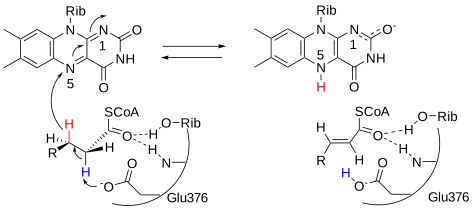
Figure \(\PageIndex{8}\) shows an interactive iCn3D model of the medium-chain acyl-CoA dehydrogenase from pig liver mitochondria with octanoyl-CoA, a substrate (3MDE)
.png?revision=1&size=bestfit&width=490&height=282)
Figure \(\PageIndex{8}\): Medium-chain acyl-CoA dehydrogenase from pig liver mitochondria with octanoyl-CoA substrate (3MDE). (Copyright; author via source). Click the image for a popup or use this external link: https://structure.ncbi.nlm.nih.gov/i...SiAZExwXVV2TG6
Two subunits of the biologically active tetramer are shown (dark gray and cyan). FAD is shown in each subunit (sticks, CPK colors, labeled). A bound substrate, octanoyl-CoA (spacefill, CPK colors, labeled CO8) is also shown in each subunit. The catalytic base, Glu 376, is depicted in sticks, with CPK colors and labeled.
The structures of the unliganded and acyl-CoA forms of the enzymes are very similar, so there are no large conformational changes on binding octanoyl-CoA. The ligand binds to the enzyme at the FAD's rectus (re) face with the acyl chain buried. The fatty acyl chain of the thioester substrate is buried inside the polypeptide, and the 3'-AMP moiety is close to the surface of the tetrameric enzyme molecule. The carbonyl oxygen of octanoyl-CoA interacts with the ribityl 2'-hydroxyl group of the FAD and the main-chain carbonyl oxygen of Glu-376. Glu-376 acts as a general base, removing the alpha proton in the reaction.
Step 2. Enoyl CoA hydratase
This enzyme catalyzes a hydration step of the double bond between the α and β carbons (C2 and C3), adding an OH group to the β carbon, in a reaction that poses a low energy barrier. Figure \(\PageIndex{9}\) shows a likely mechanism for enoyl-CoA hydratase.
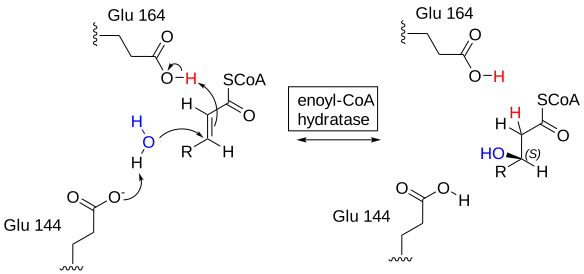
Figure \(\PageIndex{10}\) shows an interactive iCn3D model of the rat enoyl-CoA hydratase in complex with hexadienoyl-CoA (1MJ3)
.png?revision=1&size=bestfit&width=261&height=313)
Figure \(\PageIndex{10}\): Rat enoyl-CoA hydratase in complex with hexadienoyl-CoA (1MJ3). (Copyright; author via source). Click the image for a popup or use this external link: https://structure.ncbi.nlm.nih.gov/i...byx3eEKewEeEz9
For clarity, only one subunit of the biological hexamer is shown. Two glutamic acids (141 and 164) appear to activate a water molecule for the hydration reaction. Alanine 98 and Gly 141 are also in the oxyanion hole, stabilizing the transition state and intermediate.
The addition of the water is syn since the proton and OH group are added to the same size of the double bond. The glycine amide NH provides a strong hydrogen bond to the carbonyl of the substrate, hexadienoyl-CoA, helping to polarize the ene-one. The substrate trans-2-crotonyl-CoA is converted to the 3(S) alcohol instead of the 3(R) alcohol by a huge factor. The cis and trans isomers of a substrate analog (hexadienoyl-CoA) can bind to the enzyme, but only the cis isomer is polarized. Since the transition state is polarized as well, the bound cis isomer is also strained and destabilized, suggesting that its binding is an example of transition-state binding catalysis.
Step 3. Beta-hydroxyl acyl CoA dehydrogenase
After the addition of the OH on C3 (beta) OH during the hydration reaction, the resulting ROH is oxidized to a ketone, β-ketoacyl-CoA, by the oxidizing agent NAD+ using the enzyme β-hydroxyl acyl CoA dehydrogenase. The resulting NADH is reoxidized to NAD+ through the mitochondrial electron transport chain, ultimately leading to 2.5 molecules of ATP for each NADH. Figure \(\PageIndex{11}\) shows a plausible mechanism for the beta-hydroxyl acyl CoA dehydrogenase-catalyzed reaction.
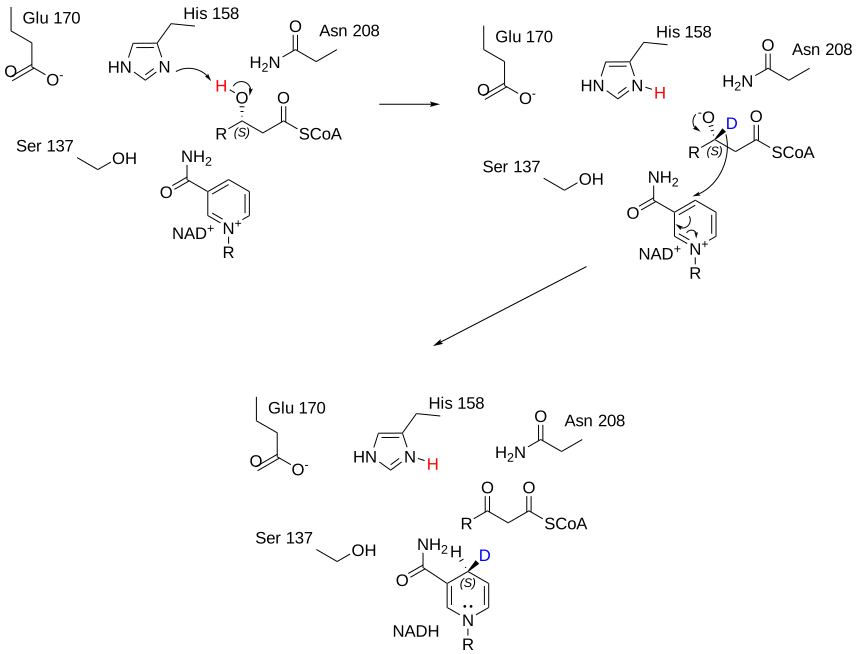
His 158 acts as a general base, and Glu 170 increases its basicity. The other group is involved in H-bond and electronic stabilization interactions.
Step 4. Acetyl-CoA acetyltransferase, mitochondrial - ACAT1 (also called 3-ketoacyl-CoA thiolase)
The final step in the beta-oxidation pathway involves cleavage of the bond between the alpha and beta carbon by CoASH. This step is catalyzed by beta-keto thiolase and is a thiolytic reaction (as opposed to cleavage by water, a hydrolysis reaction). The reaction produces one molecule of acetyl-CoA and a fatty acyl-CoA that is two carbons shorter. The process repeats until the even-chain fatty acid is completely converted into acetyl-CoA. The enzyme's activity is reversible, and it can also catalyze the Claisen condensation of two acetyl-CoA molecules into acetoacetyl-CoA, as we will see in the synthesis of ketone bodies in the next chapter section.
The reaction begins with the acylation of the nucleophilic Cys 89 by the carbonyl group of the 3-oxoacyl-CoA, accompanied by the concomitant release of acetyl-CoA. This forms a Cys 89-acyl covalent intermediate. In the next step, Cys 378 acts as a general base to facilitate the nucleophilic attack of free CoASH on the acyl-intermediate. His 348 acts as a general acid and protonates the thiolate leaving group. The amino acids (Cys89, Cys378, and His348) are generally conserved in thiolases (Bhaskar et al. 2020). Kinetically, this mechanism is a ping-pong reaction. A reaction mechanism is shown in Figure \(\PageIndex{12}\).
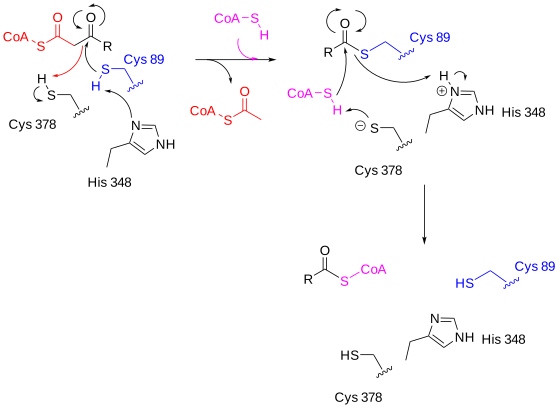
Figure \(\PageIndex{13}\) shows an interactive iCn3D model of Human Mitochondrial 3-Ketoacyl-Coa Thiolase (T1) (4C2J)
_(4C2J).png?revision=1&size=bestfit&width=421&height=296)
Figure \(\PageIndex{13}\): Human Mitochondrial 3-Ketoacyl-Coa Thiolase (T1) (4C2J). (Copyright; author via source). Click the image for a popup or use this external link: https://structure.ncbi.nlm.nih.gov/i...dzAHKEY77WpNi7
Two subunits in the biological function dimer are shown (cyan and gray). The active site is shown in the gray subunit as CPK-colored sticks and labeled. The numbers are a bit different than those shown in the mechanistic figure. CoASH is shown in each subunit as sticks. The fatty-acyl tail appears to bind in a tunnel.
A few more enzymes are needed.
Steps 1 through 4 outlined above apply to the beta-oxidation of a saturated fatty acid with an even-numbered carbon skeleton. Unsaturated fatty acids, such as oleate (18:1) and linoleate (18:2), contain cis double bonds that must be isomerized to the trans configuration by the enzyme enoyl CoA isomerase or reduced by the 2,4-dienoyl CoA reductase (24DCR), using NADPH.
Enoyl CoA isomerase
This enzyme catalyzes the isomerization of cis double bonds to the trans form, which mimics those formed by acyl-CoA dehydrogenase using FAD in step 1. Figure \(\PageIndex{14}\) shows a plausible mechanism for converting cis double bonds to their trans isomer.
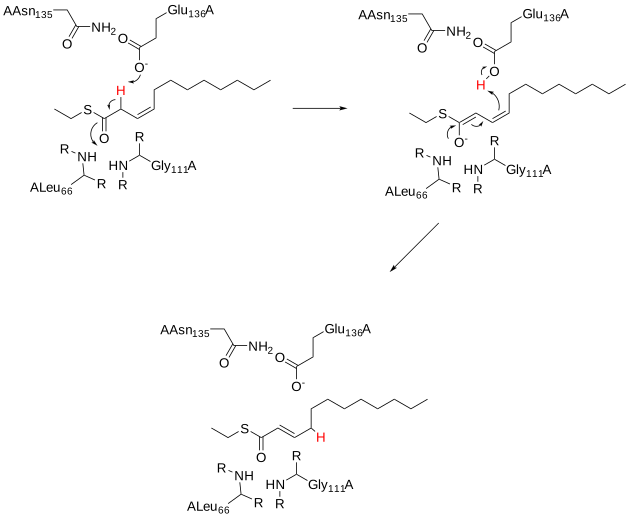
Glu 136 acts as a general base, while the amide Hs of Leu 66 and Gly 111 stabilize the intermediate oxyanion and, hence, the developing charge in the transition state. They are optimally situated in the oxyanion hole.
Figure \(\PageIndex{15}\) shows an interactive iCn3D model of the Human mitochondrial Δ3-Δ2-enoyl-CoA isomerase (1SG4)
.png?revision=1&size=bestfit&width=403&height=371)
Figure \(\PageIndex{15}\): Human mitochondrial Δ3-Δ2-enoyl-CoA isomerase (1SG4) (Copyright; author via source). Click the image for a popup or use this external link:https://structure.ncbi.nlm.nih.gov/i...H6LxEzBKajq8b7
The three subunits are shown in different colors. The substrate analog octanoyl-CoA is shown in spacefill CPK colors bound to the gray subunit. The catalytic residues are shown in sticks with CPK colors and labeled. The distal omega end binds in a hydrophobic tunnel.
2,4-dienoyl CoA reductase or 24DCR
An alternative way to deal with the cis double bond is to reduce it, in this case, with NADPH. This enzyme is used on all C=C at even-numbered positions and more at odd-numbered positions. A mechanism for the reduction is shown in Figure \(\PageIndex{16}\).
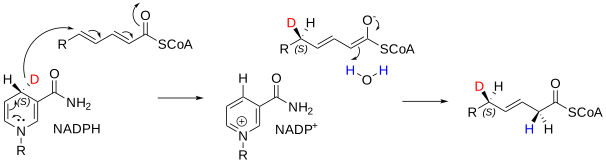
Figure \(\PageIndex{17}\) shows an interactive iCn3D model of a monomer of the homotetrameric human mitochondrial 2,4-dienoyl-Coa reductase (1W6U)
.png?revision=1&size=bestfit&width=381&height=295)
Figure \(\PageIndex{17}\): Monomer of the homotetrameric human Mitochondrial 2,4-Dienoyl-Coa Reductase (1W6U) (Copyright; author via source). Click the image for a popup or use this external link: https://structure.ncbi.nlm.nih.gov/i...pQueKc84sFqzt7
The model shows bound NADP+ and the substrate trans-2,trans-4-dienoyl-CoA. The active site is sufficiently open to accommodate fatty acids of varying lengths. Tyr-199 and Asn-148 stabilize the enolate and the oxidized nicotinamide.
For odd-number chain fatty acids, propionyl-CoA to succinyl-CoA
Although most fatty acids of biological origin have even numbers of carbons, not all do. The oxidation of fatty acids with odd numbers of carbons ultimately produces an intermediate with three carbons, propionyl-CoA, which cannot be oxidized further in the beta-oxidation pathway. These additional steps are necessary:
- carboxylation to make (S)-methylmalonyl-CoA;
- isomerization to (R)-methylmalonyl-CoA;
- rearrangement to form succinyl-CoA. The last step of the process utilizes the enzyme methylmalonyl-CoA mutase, which uses the B12 coenzyme in its catalytic cycle. Succinyl-CoA can then be metabolized in the citric acid cycle.
Figure \(\PageIndex{18}\) shows the pathway for converting propionyl-CoA to succinyl-CoA.
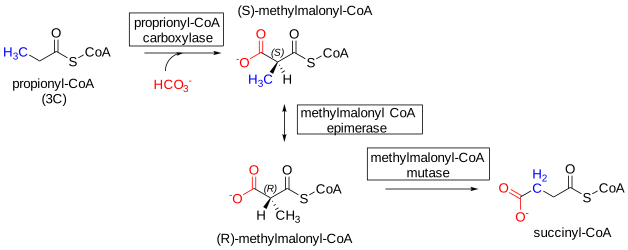
Figure \(\PageIndex{18}\): Conversion of propionyl-CoA to succinyl-CoA
Mechanisms for conversion of propionyl-CoA to succinyl-CoA.
We will look at each of the enzymes in turn.
Propionyl-CoA carboxylase
The net reaction for this enzyme is shown in Figure \(\PageIndex{19}\) below.
Propionyl-CoA + ATP + HCO3- → (S)-methylmalonyl-CoA + ADP + Pi + H+
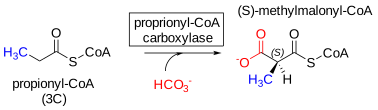
Figure \(\PageIndex{19}\): Propionyl-CoA carboxylase reaction
The enzyme has three subunits. The alpha subunit has a biotin carboxyl carrier protein and biotin carboxylase domains. The beta subunit has carboxytransferase activity. The Streptomyces coelicolor propionyl-CoA carboxylase (PCC) mechanism is shown in two parts below.
In Part 1, biotin is carboxylated by HCO3- to form an activated bicarbonate derivative (similar to an anhydride) that is high energy in comparison to its hydrolysis product, as shown in Figure \(\PageIndex{20}\) below. This reaction takes place in the alpha subunit.
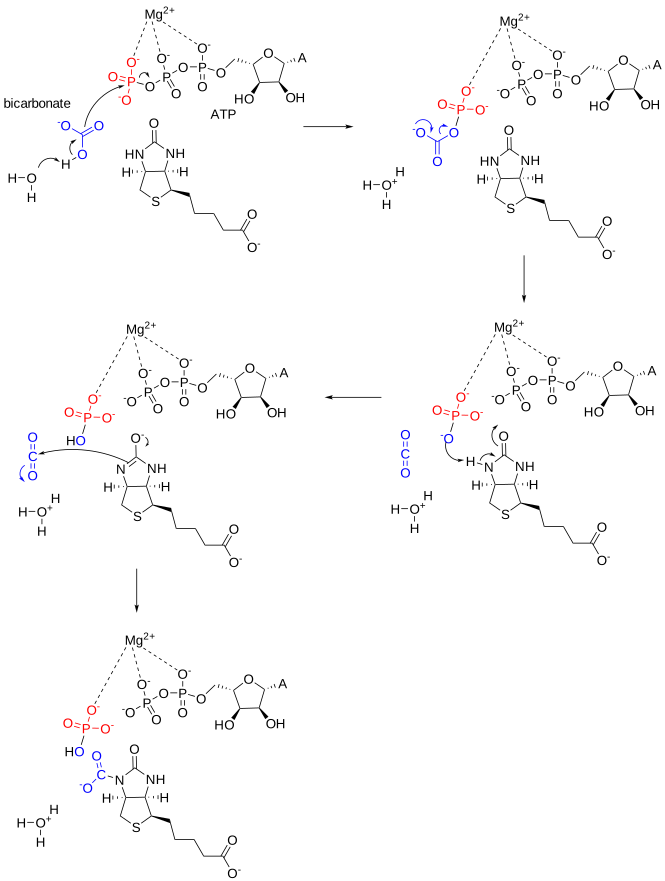
Figure \(\PageIndex{20}\): Formation of carboxylated biotin by propionyl-CoA carboxylase - Part 1. M-CSA. Gemma L. Holliday, Daniel E. Almonacid, Jonathan T. W. Ng. Creative Commons Attribution 4.0 International (CC BY 4.0) License
In Part 2, shown in Figure \(\PageIndex{21}\) below, the carboxyl group on biotin is transferred to propionyl-CoA to form methymalonyl-CoA. This reaction occurs in the beta subunit.
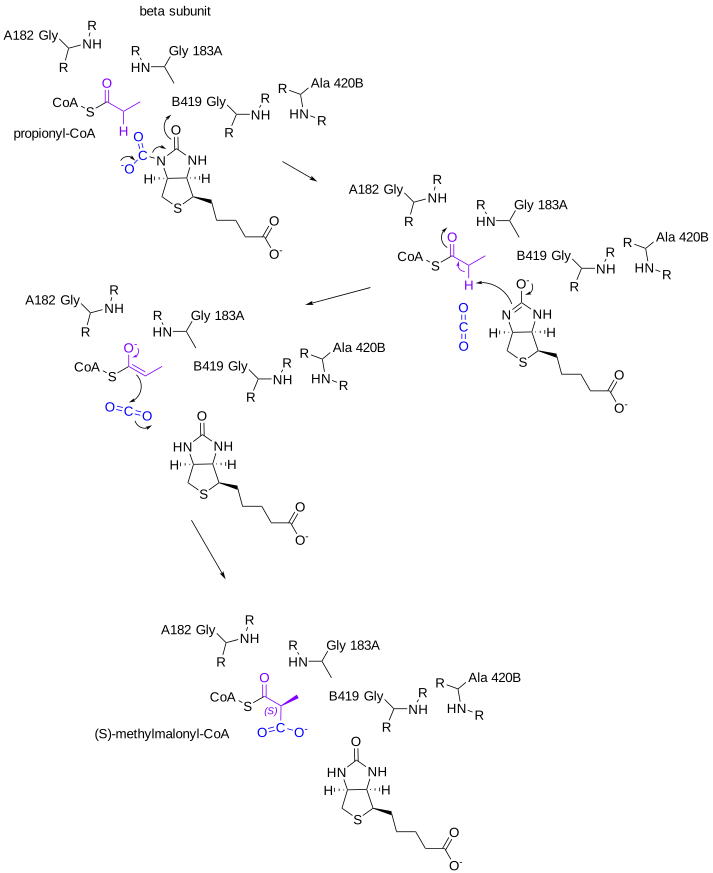
Figure \(\PageIndex{21}\): Part 2 - Formation of (S)-methylmalonyl-CoA by activated CO2 transfer from carboxybiotin by propionyl-CoA carboxylase. Holliday et al. ibid.
The roles of the main chain atoms of Ala 182 and Gly 183 in the alpha subunit are to stabilize the propionyl-CoA, while the backbone atoms of Gly 429 and Ala 430 in the beta subunit are to stabilize the oxyanion of carboxylated biotin.
Figure \(\PageIndex{22}\) shows an interactive iCn3D model of biotin and propionyl-CoA bound to Acyl-CoA Carboxylase Beta Subunit from S. coelicolor (1XNY)
.png?revision=1)
Figure \(\PageIndex{22}\): Monomer of the biotin and propionyl-CoA bound to Acyl-CoA Carboxylase Beta Subunit from S. coelicolor (1XNY). (Copyright; author via source). Click the image for a popup or use this external link: https://structure.ncbi.nlm.nih.gov/i...K46r5EdZezF4o6
Biotin (labeled BTN) and propionyl-CoA are shown in spacefill in CPK colors.
Methylmalonyl-CoA Epimerase
The net reaction is shown in Figure \(\PageIndex{23}\) below.
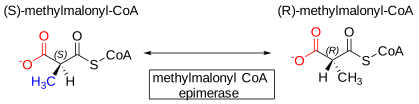
Figure \(\PageIndex{23}\): Methylmalonyl-CoA Epimerase reaction
This reaction proceeds through an enolate intermediate after an abstraction of a proton from the chiral center of the methylmalonyl-CoA, as shown in the reaction mechanism for the enzyme from Propionibacterium freudenreichii subsp. shermanii is shown Figure \(\PageIndex{24}\) below. The reaction is readily reversible.
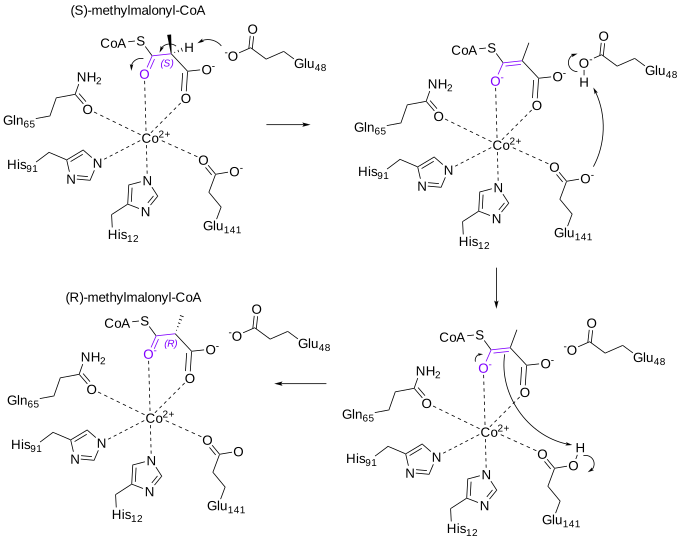
Figure \(\PageIndex{24}\): Mechanism for methylmalonyl-CoA Epimerase. Gemma L. Holliday et al. https://www.ebi.ac.uk/thornton-srv/m-csa/entry/33/. Creative Commons Attribution 4.0 International (CC BY 4.0) License
Note the presence of a Co2+ ion in the active site.
Figure \(\PageIndex{25}\) shows an interactive iCn3D model of Methylmalonyl-CoA epimerase in complex with 2-nitronate-propionyl-CoA from S. coelicolor (6WFI)
.png?revision=1&size=bestfit&width=439&height=389)
Figure \(\PageIndex{25}\): Methylmalonyl-CoA epimerase in complex with 2-nitronate-propionyl-CoA from S. coelicolor (6WFI). (Copyright; author via source). Click the image for a popup or use this external link: https://structure.ncbi.nlm.nih.gov/i...Sqc98CCjAvzkp7
The enzyme is a dimer with two identical subunits and is catalytic. One of the subunits is shown with a blue transparent surface containing the bound 2-nitronate-propionyl-CoA inhibitor. The other is shown in a gray cartoon, with the key side chains involved in substrate binding and catalysis shown as color sticks and labeled.
Methylmalonyl-CoA Mutase
In this reaction, a methyl group is removed from (R)-methylmalonyl-CoA to form succinyl-CoA, as shown in Figure \(\PageIndex{26}\) below.
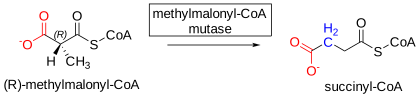
Figure \(\PageIndex{26}\): Methylmalonyl-CoA reaction
This reaction, going in the opposite direction, is an example of a methyltransferase. Another similar enzyme (which we will see in Chapter 18.4 - Amino Acid Degradation) catalyzes a methyl transfer from homocysteine to a new cofactor, cobalamin, which transfers it to cysteine to form methionine in a reaction catalyzed by methionine synthase. Cobalamine and its methylated form are derivatives of Vitamin B12. We will leave the details of cobalamin biochemistry to the next chapter and present a mechanism for methylmalonyl-CoA mutase here.
We present the reaction for the reverse reaction, the conversion of succinyl-CoA to (R)-methylmalonyl-CoA by the enzyme from Propionibacterium freudenreichii subsp. shermanii in two parts below. The enzyme is a heterodimer composed of an alpha and a beta subunit, and it has a cofactor, adenosylcobalamin (coenzyme B12). In contrast, the human mutase, a homodimer, is similar to the alpha subunit.
First, a free radical is formed from the adenosyl group on the cofactor. This promotes a free-radical rearrangement of succinyl-CoA to (R)-methylmalonyl-CoA (or the reverse for the pathway of interest here). The reaction is shown in two parts for optimal viewing.
Figure \(\PageIndex{27}\) below the first parts of the reaction for the conversion of succinyl-CoA to (R)-methylmalonyl-CoA by the mutase from Propionibacterium freudenreichii subsp. shermanii.
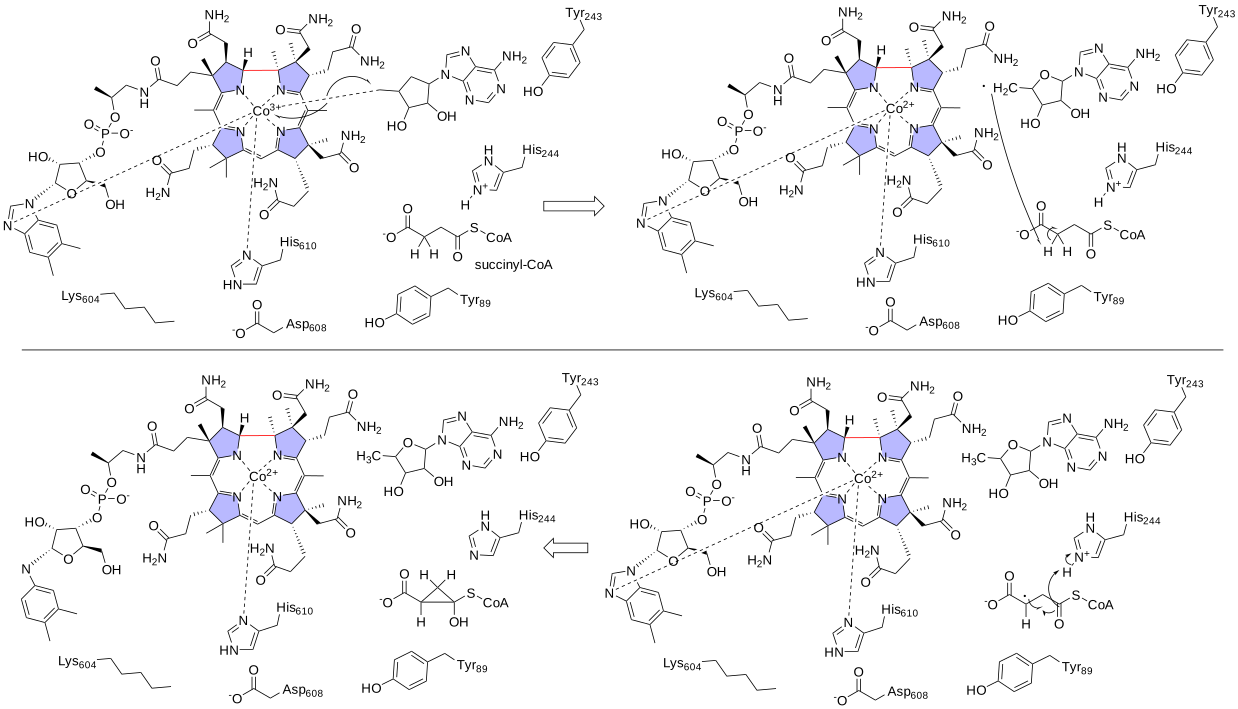
Figure \(\PageIndex{27}\): Part 1 of the conversion of succinyl-CoA to (R)-methylmalonyl-CoA by methylmalonyl-CoA mutase. Gemma L. Holliday, Gail J. Bartlett, Daniel E. Almonacid. M-CSA. https://www.ebi.ac.uk/thornton-srv/m-csa/entry/62/. Creative Commons Attribution 4.0 International (CC BY 4.0) License
Figure \(\PageIndex{28}\) below shows the rest of the reaction for the conversion of succinyl-CoA to (R)-methylmalonyl-CoA.
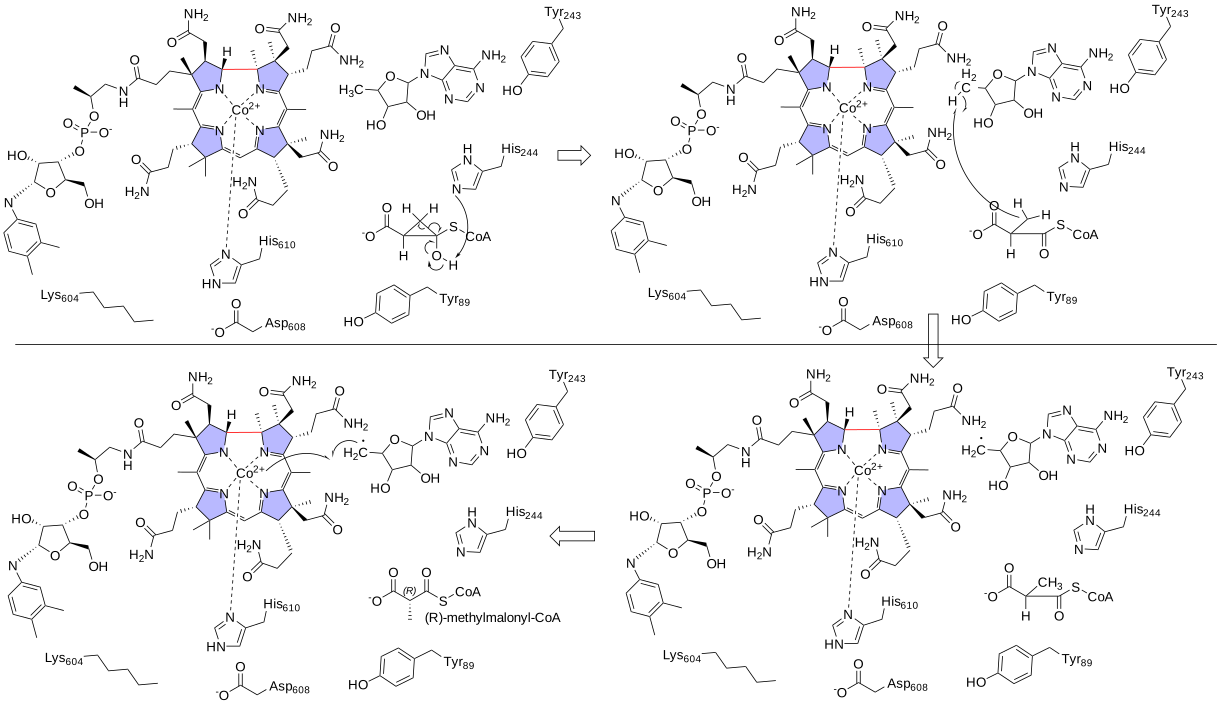
Figure \(\PageIndex{28}\): Part 2 of the conversion of succinyl-CoA to (R)-methylmalonyl-CoA by methylmalonyl-CoA mutase. Gemma L. Holliday et al. ibid.
The last product from the bottom left reaction, the reformed active adenosylcobalamin cofactor, is not shown. The enzyme facilitates the hemolytic cleavage of the Co-C bond. A free-radical rearrangement follows this.
Figure \(\PageIndex{29}\) shows an interactive iCn3D model of the methylmalonyl-coenzyme A mutase from Propionibacterium freudenreichii subsp. shermanii (1REQ)
.png?revision=1&size=bestfit&width=414&height=366)
Figure \(\PageIndex{29}\): Methylmalonyl-coenzyme A mutase from Propionibacterium freudenreichii subsp. shermanii (1REQ). Click the image for a popup or use this external link: https://structure.ncbi.nlm.nih.gov/i...qPYm2sXjraCuN8
An analog of CoASH, desulfo-CoA (DCA), is shown in spacefill, CPK colors, and labeled. Adenosylcobalamin is shown in colored sticks and labeled B12. The alpha subunit is gray, with the key amino acids from the enzyme mechanism presented above shown as colored sticks and labeled. The beta subunit is shown in blue.
Propionyl-CoA is also produced as a product of methionine, valine, isoleucine, and threonine oxidation. (See the amino acid metabolism chapter for more details on mechanisms.)
Very long chain oxidation
In contrast to the oxidation of short and medium-chain fatty acids, which under beta-oxidation require four different discrete enzymes, the oxidation of very long-chain fatty acids (VLCFs) is carried out by two proteins, with the second protein expressing three enzyme activities. The first step, analogous to step 1 in beta-oxidation described above, is carried out by a very long-chain acyl-CoA dehydrogenase (VLCAD). A single trifunctional protein (TFP) with two subunits carries out the next three reactions. The α-subunit carries out the hydration (2-enoyl-CoA hydratase, ECH) and next oxidation step (3-hydroxyl-CoA dehydrogenase (HAD), while the β-subunit has 3-ketothiolase (KT) activity. Deficiencies of TFP can cause significant disease and even death.
TFP is a heterotetramer of two α and two β subunits, with the beta subunits forming a central homodimer. The two alpha units bind at each end, and the whole complex forms an arc. A "tunnel" appears to allow substrate transfer after each step. This minimizes premature intermediate release. Figure \(\PageIndex{30}\) shows an interactive iCn3D model of the human mitochondrial trifunctional protein, a fatty acid beta-oxidation metabolon (6DV2)
.png?revision=1&size=bestfit&width=416&height=318)
Figure \(\PageIndex{30}\): Human mitochondrial trifunctional protein fatty acid beta-oxidation metabolon (6DV2). Click the image for a popup or use this external link: https://structure.ncbi.nlm.nih.gov/i...XiUXru4vkRVh87
- Grays: two thiolase subunits: reversible thiolytic cleavage of 3-ketoacyl-CoA into acyl-CoA and acetyl-CoA, a 2-step reaction involving a covalent intermediate formed with a catalytic cysteine. The catalytic residues (C138, C458, and H428) are shown as sticks with CPK colors.
- Cyan and magenta subunits: enoyl-CoA hydratase (EC 4.2.1.17) and 3-hydroxyacyl-CoA dehydrogenase (EC 1.1.1.35)
- The red dots represent the inner leaflet of the inner mitochondrial membrane, where proteins reside in the mitochondrial matrix.
Regulation of beta-oxidation
We observed that the metabolic decision to utilize carbohydrate energy reserves (glycogen) is a highly regulated process. Glycogen breakdown occurs during fasting and periods of high energy need. Fatty acids, our largest energy stores, are released from triglyceride reserves in adipose cells through extracellular epinephrine and glucagon activation of pathways that activate intracellular hormone-sensitive lipase. Released fatty acids are bound to the serum protein albumin, which transports them to the tissues. Additionally, as mentioned above, malonyl-CoA inhibits the transport of fatty acids into the mitochondria. Malonyl-CoA is the first committed product of fatty acid biosynthesis. Each acyl-CoA product of the four enzymes engages in product inhibition for the enzyme that produced it. 3-ketoacyl-CoA also inhibits enoyl-CoA hydratase and acyl-CoA dehydrogenase [17]. The NADH/NAD+ and acetyl-CoA/CoA ratios also influence the beta-oxidation pathway through allosteric regulation. For example, the acetyl-CoA/CoA ratio affects the activity of ketoacyl-CoA thiolase.
Fatty acids also bind to the transcription factors called peroxisome proliferator-activated receptors (PPARs) and coactivator PGC-1α, which regulate the transcription of enzymes in the beta-oxidation pathways. PPARs and the retinoid X receptor form heterodimers that bind to the PPAR response element in key promoter sites involved in fatty acid degradation. These include CPT1, long-chain acyl-CoA dehydrogenase (LCAD), medium-chain acyl-CoA dehydrogenase (MCAD), and acyl-CoA synthetase (ACS). The PPARs have tissue specificity. We will discuss PPARs in more detail in the chapter on fatty acid synthesis.
Peroxisomal α-Oxidation
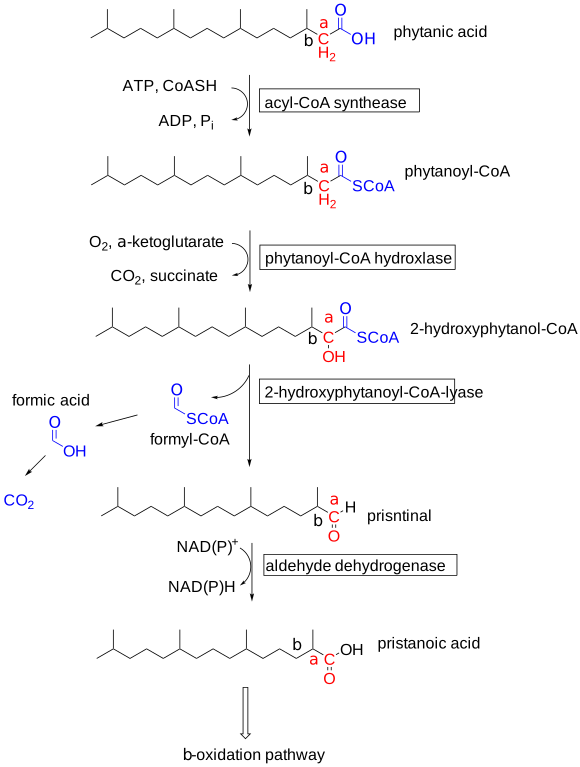
Alpha oxidation of fatty acids occurs in the peroxisome, where the metabolism of phytanic acid (3,7,11,15-tetramethyl hexadecanoic acid) in dairy products, animal fat, and some fish occurs. Phytanic acid is produced in ruminants on the degradation of plant material and derives from phytol, an isoprenoid alcohol esterified to chlorophyll. Phytol is first converted to phytanic acid.
Fatty acid β-oxidation can also occur in peroxisomes. In animals, peroxisomes are believed to be important in the initial breakdown of very long-chain fatty acids and methyl-branched fatty acids [11]. The enzymes involved in fatty acid oxidation in peroxisomes differ from those in mitochondria. An important difference is acyl-CoA oxidase, the first enzyme in peroxisome β-oxidation, which transfers the hydrogen to oxygen, producing H2O2 instead of FADH2. The H2O2 is broken down to water by catalase. The fatty acyl-CoA intermediates formed during β-oxidation are the same in peroxisomes and mitochondria. Peroxisomes also contain the enzymes for α-oxidation, which are necessary to oxidize some fatty acids with methyl branches.
Branched-chain fatty acids also require additional enzymatic modification to enter the alpha-oxidation pathway within peroxisomes. Phytanic acid (3,7,11,14-tetramethylhexadecanoic acid) requires additional peroxisomal enzymes to undergo beta-oxidation. Phytanic acid initially forms phytanyl CoA, which is then hydroxylated at the alpha carbon by phytanyl CoA hydroxylase (alpha-hydroxylase), encoded by the PHYH gene. The alpha carbon-hydroxyl bond then undergoes two successive rounds of oxidation to pristanic acid. Pristanic acid undergoes beta-oxidation, which produces acetyl-CoA and propionyl-CoA in alternative rounds. As with peroxisomal beta-oxidation of VLCFAs, this process generally ends when the carbon chain length reaches 6-8 carbons. At this point, the molecule is shuttled to the mitochondria by carnitine for complete oxidation to carbon dioxide and water. Figure \(\PageIndex{31}\) shows the steps in the catabolism of phytanic acid (3,7,11,14-tetramethylhexadecanoic acid).
Omega-oxidation
The omega-oxidation pathway occurs in the endoplasmic reticulum and is used to metabolize larger fatty acids, which, due to their hydrophobicity, can damage cells in high concentrations. In this pathway, the fatty acids are metabolized to dicarboxylic acids, which increases their water solubility for excretion in the urine. The first step utilizes cytochrome P450 enzymes, which also modify xenobiotic compounds with dioxygen, thereby increasing their solubility. Figure \(\PageIndex{32}\) shows the omega oxidation pathway.
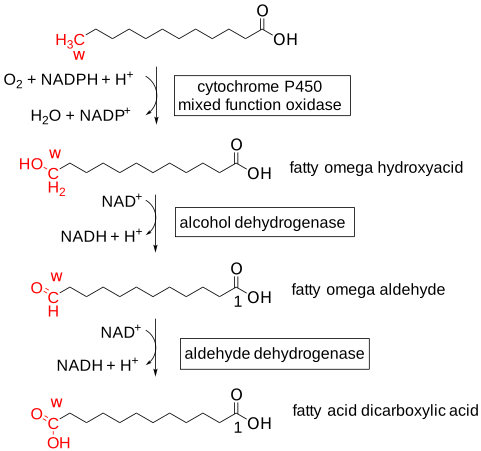
Three subfamily members of the cytochrome P450s (CYPs) show a preference for the hydroxylation of short-chain fatty acids (C7-C10, CYP4B), medium-chain (C10-C16, CYP4A), and long-chain (C16-C26, CYP4F) fatty acids, which can be saturated, unsaturated, and branched. Figure \(\PageIndex{33}\) shows a summary of the alpha, beta, and omega oxidation pathways
Diseases of fatty acid metabolism
A few select diseases listed below directly involve defective fatty acid metabolism through intrinsic enzyme deficiencies or indirectly prevent the proper functioning of fatty acid metabolism through extrinsic enzyme deficiencies. Many, but not all, deficiencies of enzymes involved in fatty acid oxidation result in abnormal neurological development and/or function early in life; a brief list of signs and symptoms appears under the selected diseases mentioned.
MCAD Deficiency
Medium-chain acyl dehydrogenase is the most common inherited defect of fatty acid oxidation in people. As expected, medium-chain, 6-8 carbon molecules accumulate in this disease. Clinical manifestations of MCAD deficiency primarily present during fasting conditions and include lethargy, weakness, sweating, and hypoglycemia, most commonly in children under the age of 5. Serum measurements of octanoyl carnitine are usually elevated in these patients and can aid in the diagnosis. These abundant molecules then undergo oxidation by the cytochrome P450 system, which is involved in omega-oxidation, resulting in dicarboxylic acidemia and dicarboxylic aciduria.
Zellweger Syndrome
Zellweger syndrome results from autosomal recessive mutations in the PEX genes, which code for peroxin proteins essential for assembling peroxisomes. Almost 70% of all peroxisomal biogenesis disorders (PBDs) result from a PEX1 gene mutation. Many different fatty acid compounds, including VLCFAs and phytanic acid, can accumulate without the oxidative machinery of peroxisomes. Manifestations of this disease generally include the brain, kidneys, and skeleton.
X-Linked Adrenoleukodystrophy (X-ALD)
X-ALD is a genetic deficiency of the ABCD transporters in the membrane of peroxisomes, as mentioned previously. It results in the pathological accumulation of phytanic acid and VLCFAs within cells and is most clinically significant when the ABCD1 transporter is absent. The disease presents with neurodegenerative and adrenal abnormalities.
Refsum Disease
Refsum disease results from a genetic deficiency of the enzyme phytanyl CoA 2-hydroxylase, which, as previously mentioned, is involved in the alpha-oxidation of phytanic acid, a breakdown product of chlorophyll. Notable clinical manifestations of Refsum disease include cardiac malfunction and defective functioning of the olfactory and auditory nerves due to the accumulation of phytanic acid.
Summary
This chapter provides a comprehensive exploration of fatty acid metabolism, detailing the catabolic pathways that convert stored lipids into ATP and the specialized mechanisms by which lipids are transported in the body. The chapter begins by outlining how triacylglycerols (TAGs) serve as the major energy reserve, with fatty acids stored in lipid droplets and transported in the circulation via lipoproteins. Key topics include:
-
Fatty Acid Oxidation Pathways:
The primary pathway for energy extraction from fatty acids is mitochondrial β‑oxidation, where fatty acyl-CoA molecules are systematically broken down to produce acetyl-CoA, NADH, and FADH₂. This process, driven by a series of enzymes (acyl-CoA dehydrogenase, enoyl-CoA hydratase, β‑hydroxyacyl-CoA dehydrogenase, and thiolase), enables efficient ATP production through subsequent oxidation in the citric acid cycle and electron transport chain. Additionally, the chapter discusses alternative oxidation pathways such as peroxisomal β‑oxidation for very-long-chain and branched-chain fatty acids, as well as α‑ and ω‑oxidation pathways, which allow for the metabolism of lipids that cannot be handled by mitochondria alone. -
Peroxisomes and Their Role:
Peroxisomes are highlighted as vital organelles that perform unique oxidative reactions—most notably, the oxidation of VLCFAs and the metabolism of reactive oxygen species. Their functions extend beyond lipid catabolism to include synthesis of specific lipids and maintenance of cellular homeostasis. -
Lipid Transport and Lipoprotein Metabolism:
The chapter details the structure and function of lipoproteins, which transport hydrophobic lipids through the aqueous bloodstream. It explains how different classes of lipoproteins (chylomicrons, VLDL, IDL, LDL, and HDL) are assembled, modified, and cleared from circulation, with a focus on the roles of apolipoproteins (such as apoB, apoA-I, and apoE) in mediating receptor interactions and lipid exchange. -
Enzymatic Mechanisms and Regulation:
Special attention is given to the mechanisms by which enzymes like lipoprotein lipase (LPL) hydrolyze TAGs at the endothelial surface, releasing free fatty acids for cellular uptake. The chapter also covers the regulation of fatty acid oxidation by factors such as the carnitine shuttle, where enzymes like CPT-1 and CPT-2 facilitate the transport of fatty acyl groups into mitochondria, and how malonyl-CoA acts as a key inhibitor to balance fatty acid synthesis and oxidation. -
Physiological and Pathological Implications:
The interplay between fatty acid oxidation, energy production, and lipoprotein metabolism is linked to broader physiological contexts, including the roles of white and brown adipose tissue in energy storage and thermogenesis. The chapter concludes by discussing metabolic disorders resulting from defects in these pathways, such as MCAD deficiency, Zellweger syndrome, X-linked adrenoleukodystrophy, and Refsum disease, as well as the impact of dysregulated lipoprotein metabolism on cardiovascular risk.
In summary, this chapter integrates detailed biochemical mechanisms with physiological regulation and disease relevance, providing a deep understanding of how fatty acids are oxidized for energy, how lipids are transported within the body, and how these processes are coordinated to maintain metabolic homeostasis.